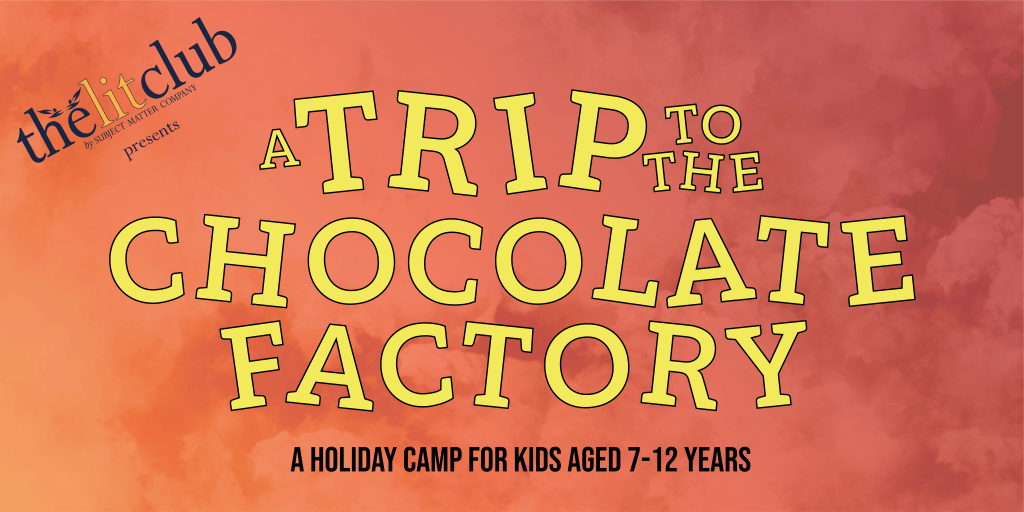
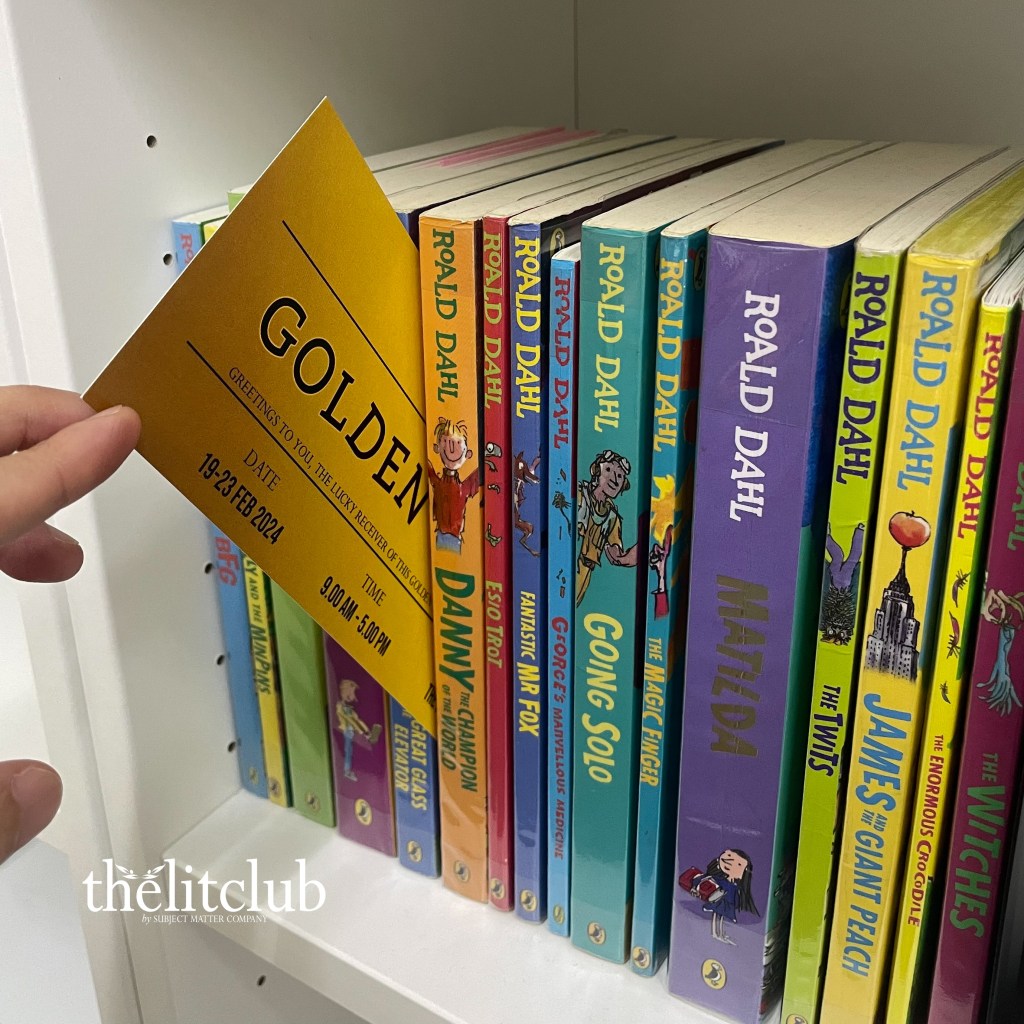
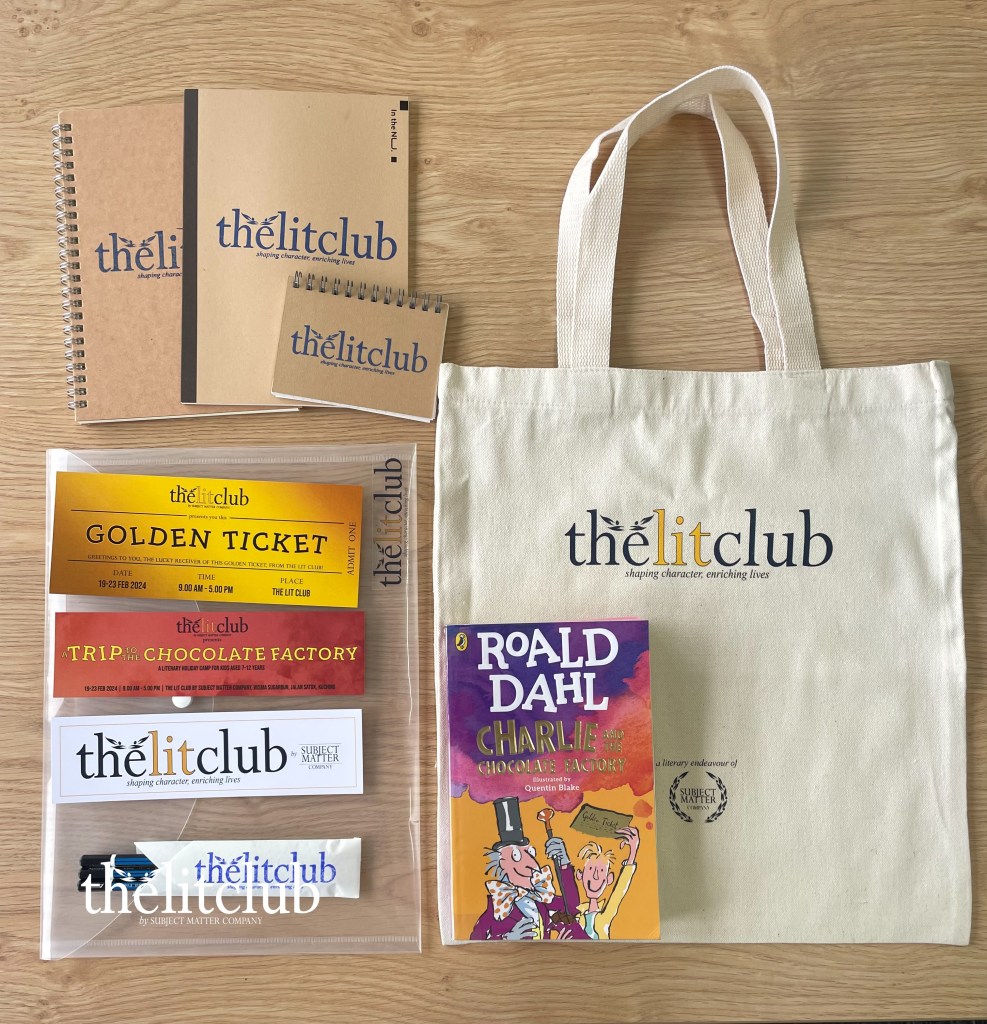
‘FIRST thing’s first! Go look for your Golden Ticket,’ the kids were told. And off they went, searching whatever grounds they could cover in the studio for the bookmark that was designed as Wonka’s Golden Ticket – our own version of it, that is.
That ‘treasure hunt’ was the kick-off for The Lit Club’s pilot literary programme – a five-day holiday camp for kids aged 7-12, with the theme ‘A Trip to the Chocolate Factory’. Of course, there’s no way our studio was an actual chocolate factory. But it’s a gateway to a world of creativity and imagination.
‘Creativity’ and ‘imagination’ – the two words we repeated from Day One of the camp to remind the participants that this place allows them to be free to wonder about the what-ifs and the how-ifs.
That there is a huge universe beyond what their physical eyes can see if only they would let their creative minds venture farther and wider into the literary world.
That they can have the freedom to express their creativity and imagination in a safe place… and not be judged or made fun of.
There are no right or wrong opinions. Behind every opinion lies a wide plane made of a unique personality, a different upbringing, years of life experiences, and the present moment’s mental and emotional well-being.
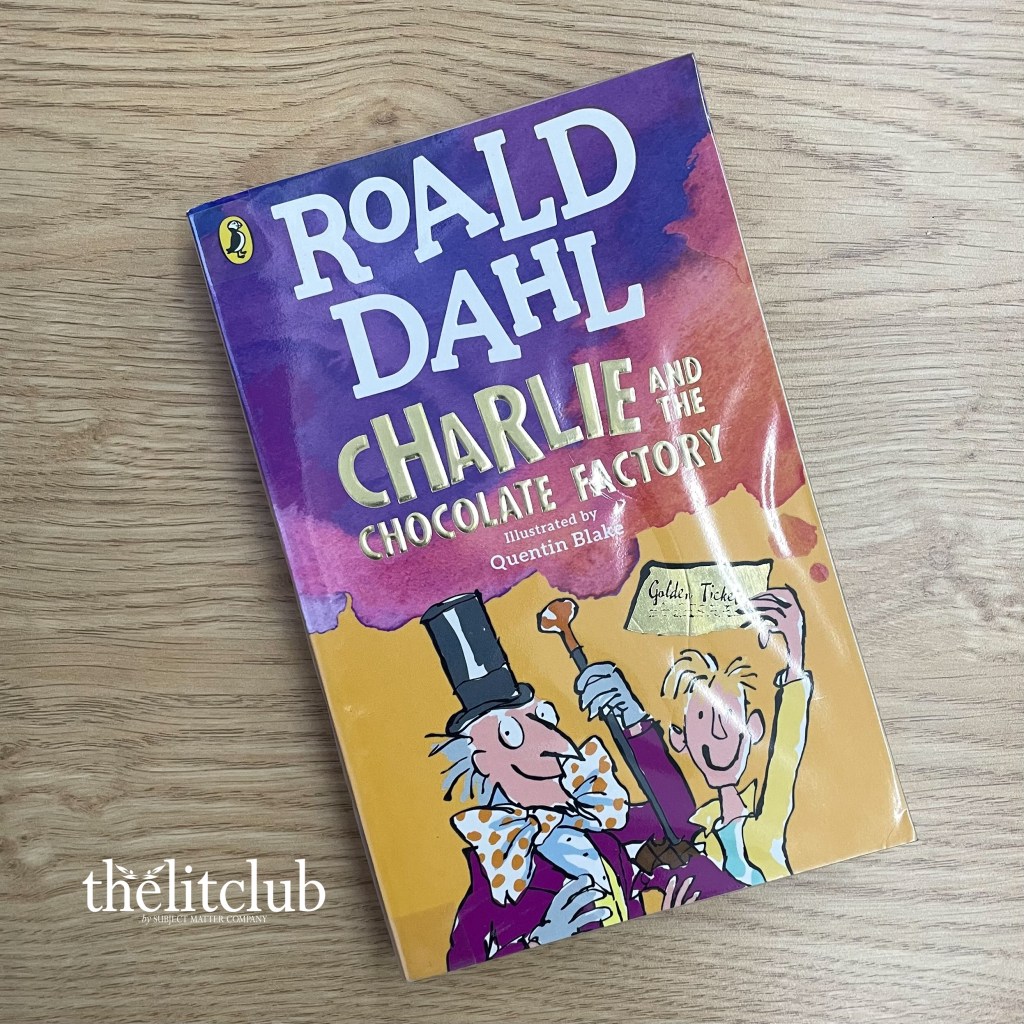
Inspired by Roald Dahl’s Charlie and the Chocolate Factory, the camp opened up opportunities for the participants to explore character development, using descriptive language to talk about the behaviours and character traits of the children in the story.
They invented their own products and characters, and presented them to their friends in the most convincing way possible with full in-character vocal and physical expressions.
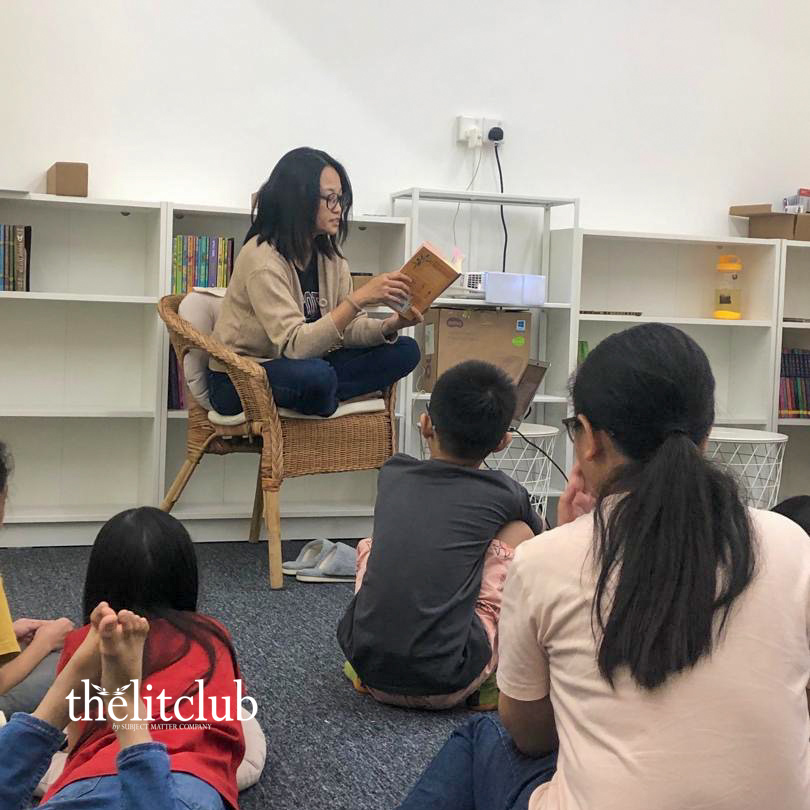
All these activities were carefully crafted and conducted with the awareness of PSHE (personal, social, health, and economic) in mind to ensure that by the end of the camp, the participants have fostered self-expression and empathy, explored themes of perseverance and compassion, and understood the importance of well-being, self-care, emotions, and kindness.
As a part of the PSHE awareness, the kids were introduced to the habit of journaling where they could document the things they do and the way they feel daily. Writing all these down or even drawing them can help a person discover themselves and learn how to manage their physical, mental, and emotional well-being.
By Day Three, these primary school kids have produced their own storyboard based on the story’s Chapter 11: The Miracle, complete with sketches to depict the different scenes that unfold in this extract, summarised description of each scene, and proper numbering for proper order.
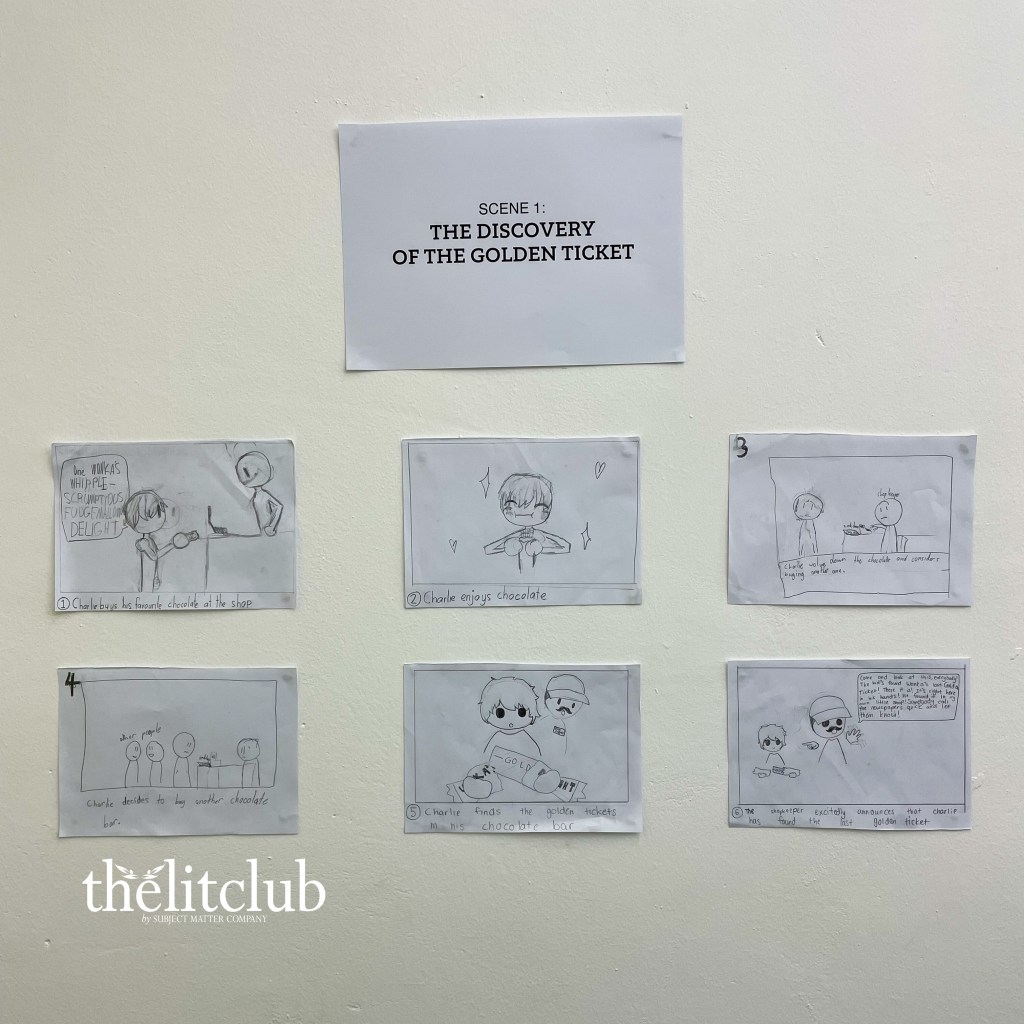
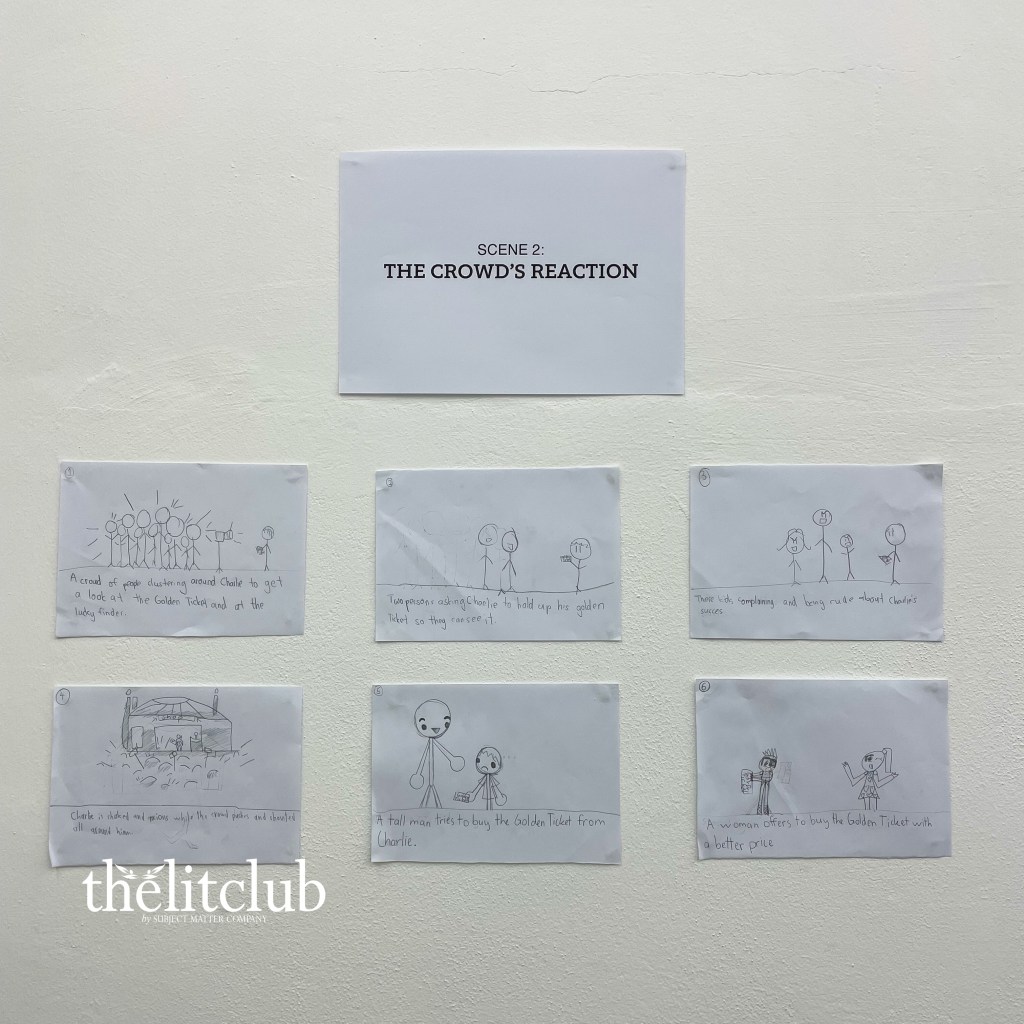
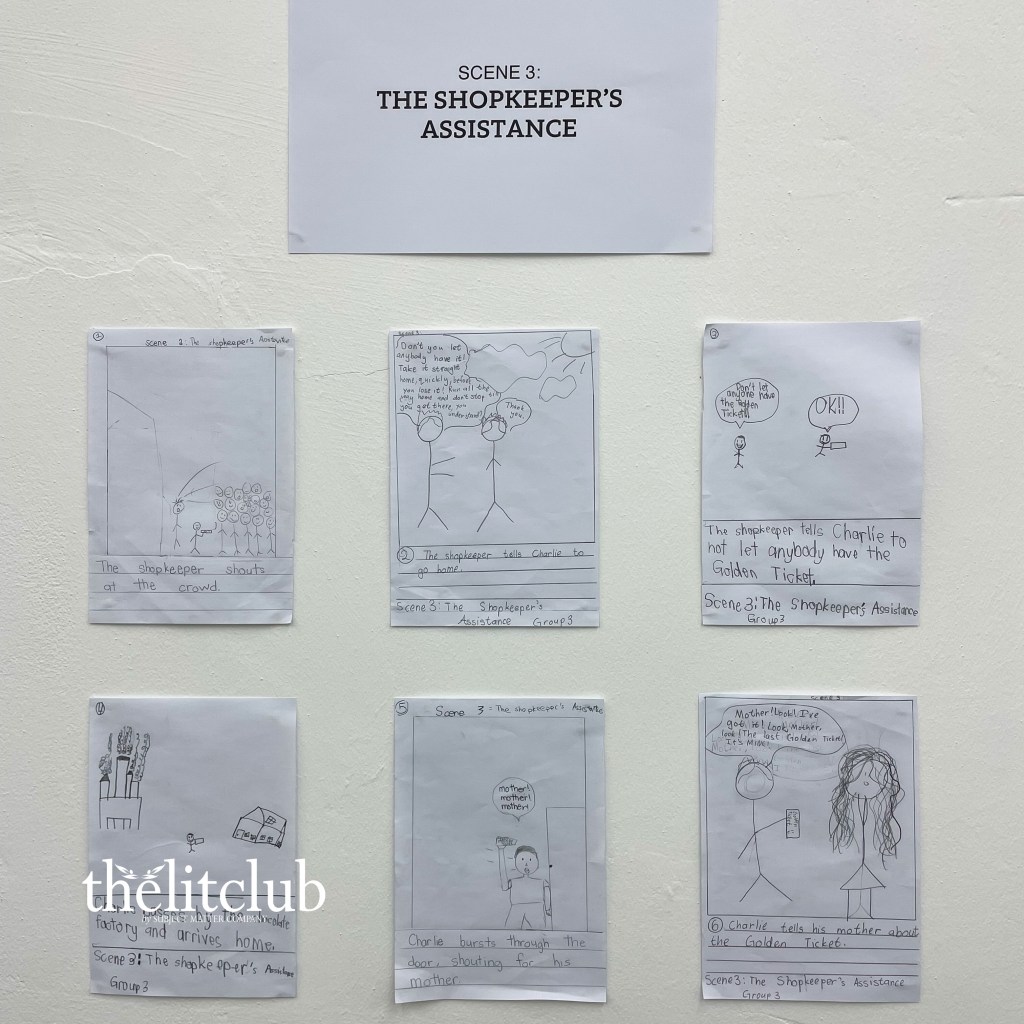
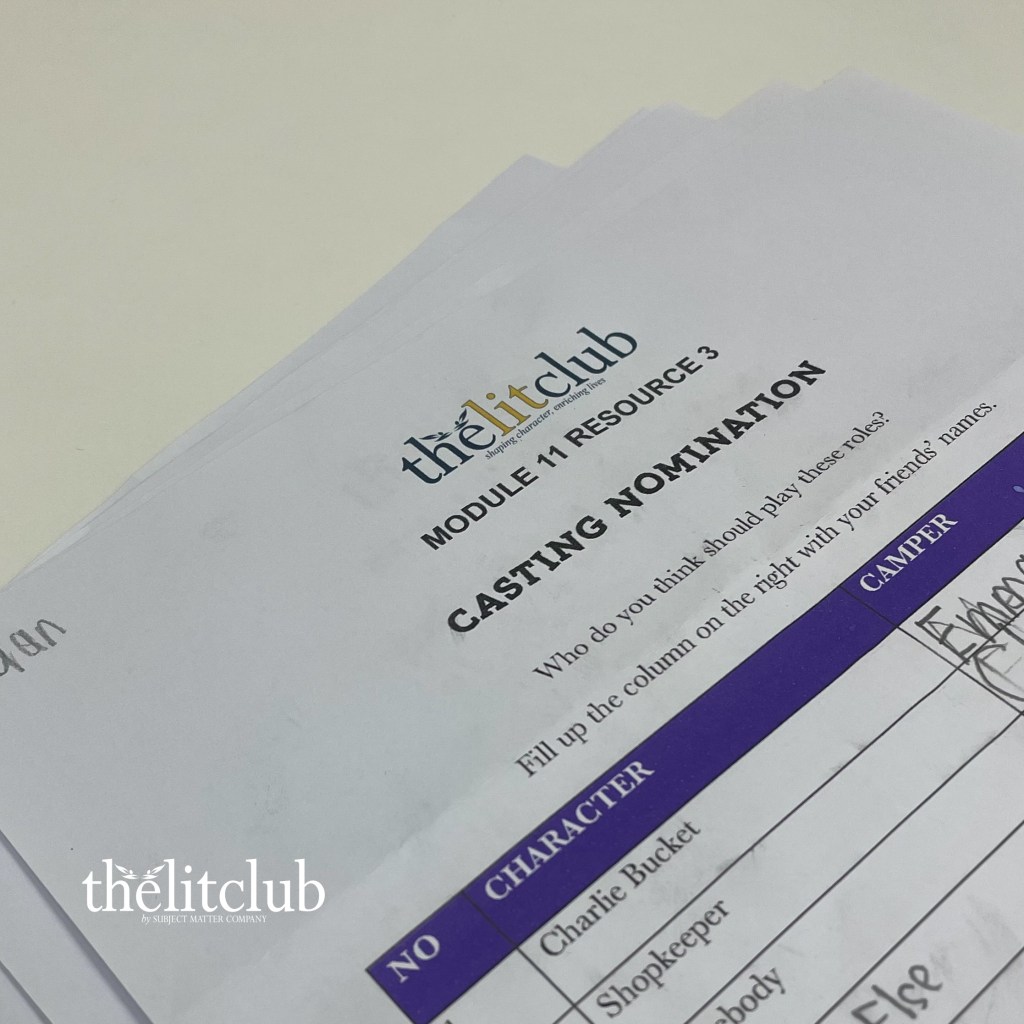
To prepare for their mini play on the last day of the camp, the kids meticulously examined the entire text of that chapter, highlighting the characters and the dialogues before nominating among themselves the best person to play each role. We’re talking about casting here, now.
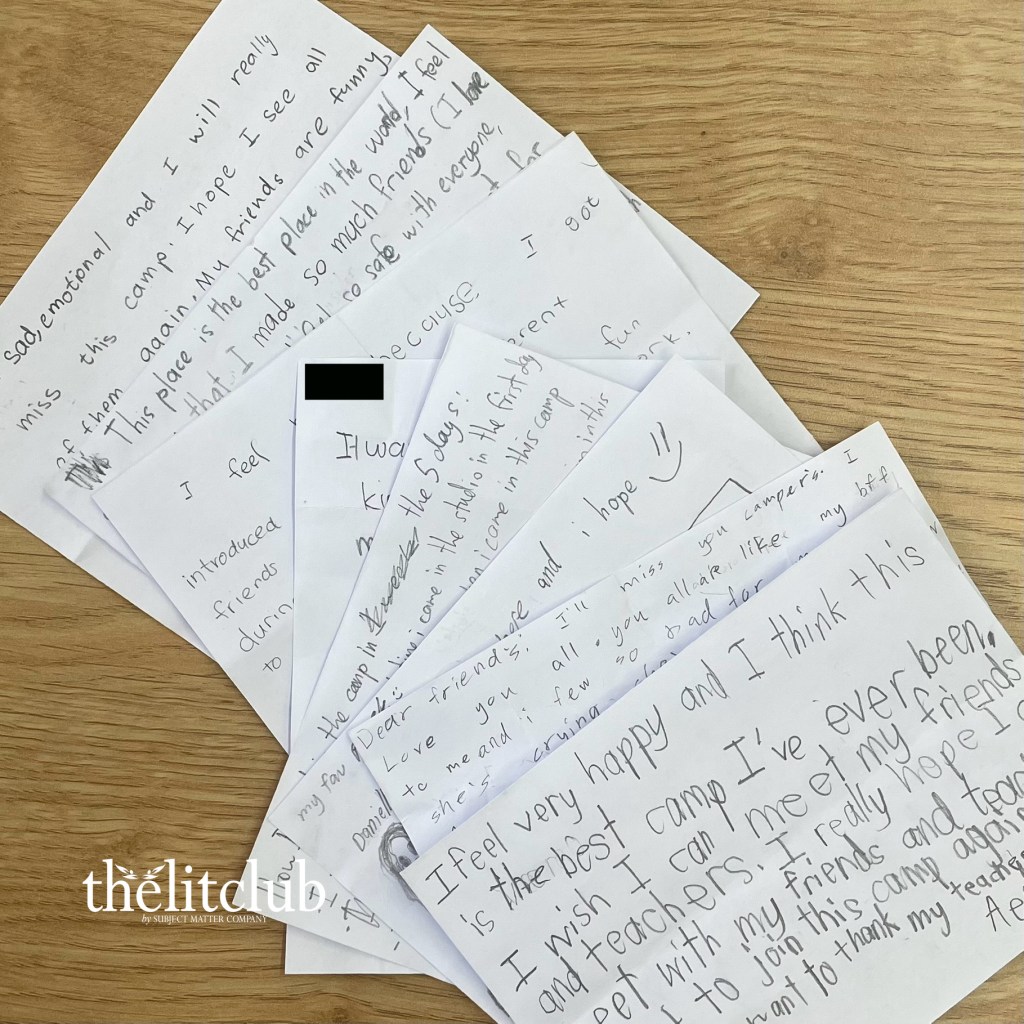
On Day Four, the participants were introduced to the basics of drama – line memorisation and recital, the key elements of expressing emotions through acting, and putting together a play through teamwork. Before the day ended, they were given some quiet and reflective time – just as they were for the past three days during their PSHE awareness session – to write little notes of appreciation and affirmation to their friends at the camp. They had so much to write!
Day Five was rather intense, between rehearsals and making props, the kids had the actual experience of setting up a simple stage area, learning where the four walls were, determining what went where and who stood where – the process of putting up a play together.
Kids are amazing. These campers had barely two 9-to-5 days to prepare for this play and they pulled it off with the little rehearsals they had between prop-making. They had fun – that was the most important thing. They had great fun exercising their imagination and expressing their creativity. Most of the ideas were entirely their own, with little guidance and some supervision from the facilitators.
And when it came time to stage the play, they did it in one take. In such a short time, these campers – who became new friends with one another not four days ago – had put their first play together. It was brilliant. The things young minds can do when they come together.
Before the camp officially ended, they were given some time to write their feedback (like adults do at the end of a corporate training programme!) and they were wonderful at expressing their views and thoughts.
We had a little ceremony to present the kids with their certificates, which was – along with the literary kit by The Lit Club, their worksheets, their journals, and the affirmation notes from their friends – hopefully something they will always remember our time together by.
The Lit Club by Subject Matter Company thanks parents of the campers for trusting us with your child’s growth and development during this holiday camp. We look forward to seeing their continued progress. If you have any questions or feedback, please feel free to reach out.
Back to The Lit Club by Subject Matter Company



Leave a Reply